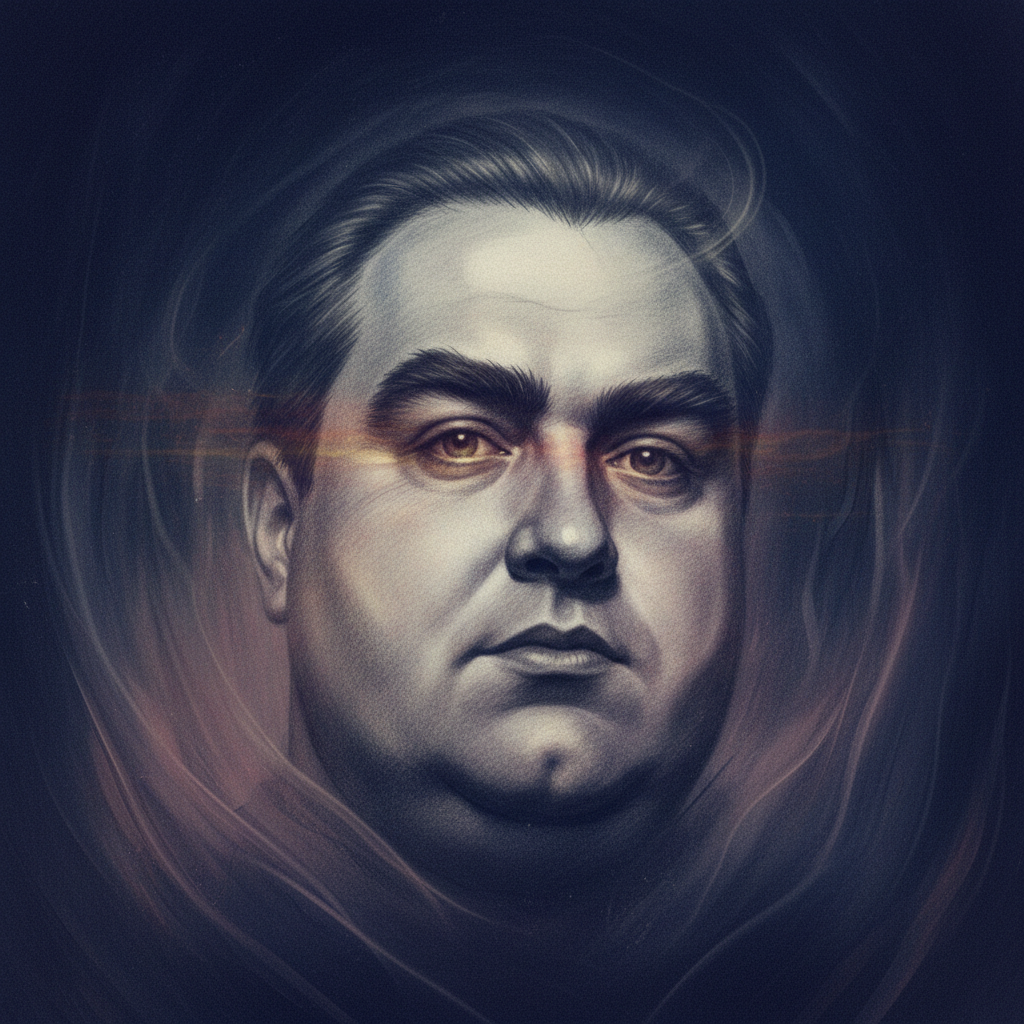
The ‘This Man’ phenomenon is a conceptual art project and hoax created in 2008 by Italian marketer Andrea Natella. It claimed that thousands of people worldwide shared dreams of a mysterious man with heavy eyebrows. Despite being debunked, many still report seeing the face because of psychological priming and memory suggestion.
What Is ‘This Man’ and Why Do People Dream of Him?
The phrase ‘the man dream’ can refer to the internet legend of ‘This Man’ or general dreams about an unknown man. This article covers both. If you’ve stumbled across the phrase ‘ever dream this man’ online, you’re not alone. The story of a face appearing in thousands of dreams has been shared millions of times. It is normal to dream of unfamiliar people. The idea of a shared dream figure can feel unsettling, but the ‘dream man’ urban legend has a clear, non-paranormal explanation. Your brain processes faces you’ve seen before while you sleep. This article explains where the legend came from and what it really means when you dream of a stranger.
The Origin Story: A Psychiatrist, a Drawing, and a Website
The origin story begins in January 2006 with a fictional patient in New York. She supposedly drew a portrait of a man who appeared in her dreams to offer advice. Her psychiatrist showed the sketch to colleagues, and a second patient claimed to recognize the face. Both the patient and the recognition were invented as part of the narrative. In 2008, the website thisman.org launched, featuring the drawing and collecting reports from thousands of people across cities like Los Angeles, Berlin, and Mumbai. The site framed the phenomenon as an unsolved mystery, encouraging visitors to share their own ‘sightings.’ It asked a simple question: ‘Have you ever seen this man in your dreams?’ That question planted the seed for a global viral sensation.
The face had thick eyebrows, a wide forehead, and full cheeks. It was deliberately generic, designed to feel familiar to as many people as possible. Andrea Natella later explained that he chose features common enough to match millions of real faces. The drawing itself was a composite, not a portrait of a single person. The story spread rapidly through early social media platforms and forums, becoming a viral sensation. People forwarded the image in emails, posted it on message boards, and debated whether the phenomenon was real. The site collected fabricated reports from around the world, each one making the legend feel more legitimate. It was a perfect example of how a well-told story can create its own reality online.
The Truth: It Was a Planned Hoax from the Start
No. This Man is not real. The face was invented by Andrea Natella as a conceptual art project in 2008 and has never been verified by independent evidence. The entire story was a hoax designed to test the boundaries of viral storytelling.
In 2010, Italian sociologist and marketer Andrea Natella revealed the truth. ‘This Man’ was a fabricated sociological experiment. In a 2010 statement, Natella confirmed that the project was his way of exploring how internet myths originate. He wanted to see if a simple, generic image and a fictional story could convince thousands of people that a supernatural event was real. The drawing of the face was based on a photograph of his own father, a man named Giuseppe. No independent evidence has ever confirmed that two strangers dreamed of the same face before seeing the image. The website’s thousands of dream reports were all invented by Natella and his creative team. Natella’s goal was not to deceive people permanently. He wanted to study how collective myths form and spread in the digital age. The project succeeded beyond his expectations, reaching millions of people and sparking conversations about the nature of belief.
If you have ever worried that your dream of a stranger was part of something larger, you can let that worry go. The legend was an art project, and your dreams remain your own.
Why People Still Believe They Dreamed of Him
When you see the ‘This Man’ image, your brain stores it. During REM sleep, your mind replays memory fragments, and the face can resurface. This is normal memory consolidation, not a shared dream. The face itself is deliberately generic, with thick eyebrows and a wide forehead, which fits millions of faces. So if you later dream of a man with those features, your brain may match it to that image.
Confirmation bias also plays a role. If you already know the legend, you are more likely to notice any dream face that resembles it and label it as ‘This Man.’ The simple act of reading the question ‘ever dream this man?’ plants the suggestion. Your mind then searches for any similar memory, creating the illusion that you dreamed the exact image before seeing it. Even without the hoax, dreaming of unfamiliar faces is common. Your brain combines features from many faces you have seen, and the ‘This Man’ image gives that process a recognizable target.
This phenomenon also demonstrates the power of suggestion priming. Once you are exposed to the story, your subconscious is primed to notice faces that match the description. The more you think about the image, the more likely it is to appear in your dreams. This is not supernatural. It is your brain doing what it always does: weaving recent thoughts and memories into the dream narrative. Think of it as your mind’s way of processing the information you consumed during the day. If you spent time reading about a mysterious face, that face becomes part of your mental inventory for the night’s dreams.
What It Actually Means to Dream of an Unknown Man
Dreaming of an unfamiliar male figure is one of the most common dream scenarios. In dream symbolism, an unknown man can stand for different parts of your inner world. He might represent a quality you are developing, a source of authority, or a fear you haven’t addressed. The details matter. Ask yourself: How did the man make you feel? What was happening in your life at the time? The same face can mean different things depending on context. Just as our dream dictionary covers what it means to dream about animals, dead relatives, or common recurring themes like teeth falling out, the figure of an unknown man has its own symbolic language. From a psychology standpoint, these dreams connect to memory consolidation, suggestion priming, and the emotional processing your brain does during REM sleep. Your mind is not receiving messages from an outside source. It is working through your own experiences.
- If the man felt threatening – A threatening male figure often reflects anxiety, a real-life conflict, or a fear of losing control. It is rarely a literal warning about a specific person. Look at your stress levels and recent confrontations. Your brain may be processing feelings of being overwhelmed or unsafe. For a deeper exploration of this theme, see our guide on dreaming of a threatening figure in your home.
- If the man felt helpful or calm – A calm, guiding figure may represent a mentor archetype or your own inner wisdom. Carl Jung described the ‘animus’ concept. The animus is the masculine side of the psyche that appears in symbolic form. A helpful unknown man can signal that you are gaining confidence or seeking guidance. This type of dream is generally positive and worth reflecting on for personal insight.
- If the man was a stranger passing by – Sometimes the man is just a background character with no strong emotions. This can reflect your mind sorting through the countless faces you encounter each day. It holds no deep symbolic meaning. It is simply your memory at work.
- If the man kept reappearing – A recurring dream of the same unknown face may signal that your mind is working through a persistent life concern. It could involve trust, authority, or a decision you have been avoiding. Think about whether there is a situation where you feel you need guidance or confrontation.
Think about how the man made you feel and what was happening in your life at the time of the dream. Your emotional response is often the most reliable key to understanding the dream’s meaning. If you keep a dream journal, note the man’s expression and your reaction. Over time, patterns may emerge that point to what your subconscious is trying to process.
Is ‘This Man’ Dangerous? Common Questions Answered
No, the figure is fictional. There is no evidence of harm linked to dreaming of this face. If you dreamed of the face after seeing the image online, that is normal memory processing. Some online panics have falsely linked the image to sleep paralysis or oneirokinesis, but there is no scientific basis. The only risk is if the dreams cause anxiety, and even then, the source is your own stress, not a supernatural force. If you have recurring distressing dreams of any figure, consider speaking with a therapist. The legend itself poses no risk. Your brain is not under attack. It is doing the ordinary work of sorting through images and feelings while you rest.
What is the story behind The dream man?
The story claims a New York patient drew a face that appeared in her dreams. A second patient recognized it. The website thisman.org spread the claim that thousands dreamed of the same man. It was later revealed as a hoax by Andrea Natella in 2010.
What is oneirokinesis?
Oneirokinesis is the fictional ability to control or enter another person’s dreams. It appears in stories and games. It is not scientifically real.
Is the dream man real, yes or no?
No. The dream man is a confirmed hoax. The face was created by artist Andrea Natella and was based on his father’s photo. There is no verified shared dream figure.
What is dream’s full real name?
If you are asking about the Minecraft YouTuber Dream, his real name is Clay. The ‘This Man’ dream legend is unrelated to the streamer.
What the ‘This Man’ Phenomenon Tells Us About the Internet and Dreams
The spread of the ‘This Man’ legend reveals a lot about how we share stories online. The hoax tapped into a nearly universal feeling: the sensation of recognizing a face from a dream. A single evocative image and a mysterious tale were enough to fuel millions of shares. Andrea Natella’s experiment proved that a well-constructed legend can become self-sustaining. People genuinely believed they experienced something that never happened.
From a psychological perspective, the phenomenon is fascinating not because it proves anything supernatural, but because it demonstrates the power of suggestion and memory. When thousands of people see the same image and read the same story, some will inevitably incorporate it into their dreams. That does not mean the dream is a shared vision. It means the internet has become a powerful source of dream material, just like any other experience you have during the day.
The ‘This Man’ hoax also highlights how eager we are to find shared meaning in private experiences. Dreaming can feel isolating. The idea that someone else saw the same face is comforting. It suggests a connection beyond ordinary life. That desire for connection is what Natella’s project exploited, and it is worth understanding. Your dreams are yours. They may carry personal meaning, but they do not need to match an internet legend to be significant. You can trust your own subconscious. If you want to explore what your dreams are telling you, start with your own feelings rather than a viral image.